
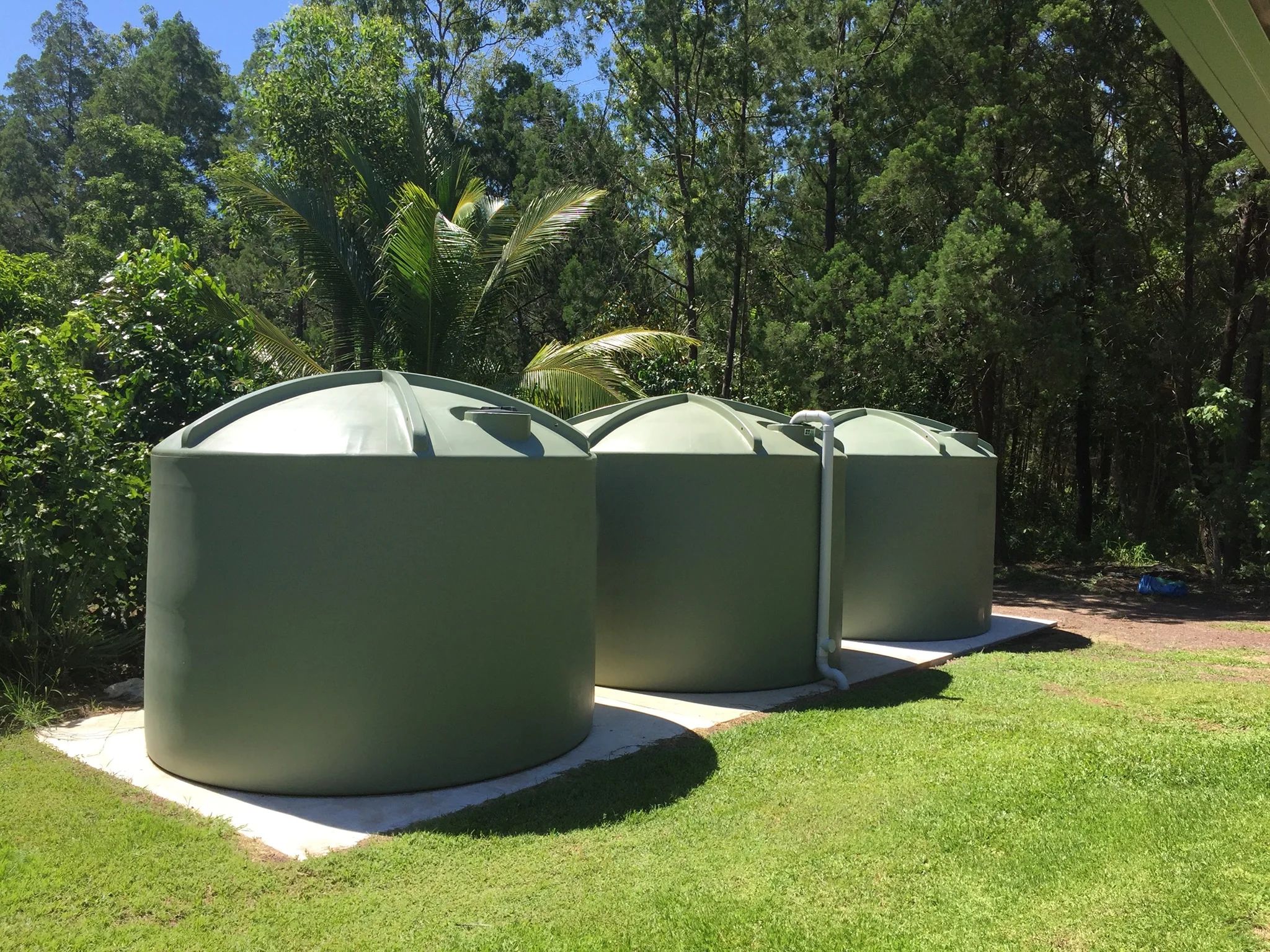
For rural blocks across Darwin, Humpty Doo, Acacia Hills, Coolalinga and the wider Top End, rainwater tanks are a vital part of everyday household water supply. When properly maintained, harvested rainwater is soft, clean, and reliable—but because the system relies on your roof and gutters as a catchment area, a bit of routine upkeep is essential to stop leaves, dust, and wildlife from contaminating your stored supply.
Giving your tank setup a quick inspection, especially before major Wet Season downpours wash months of accumulated dust and leaf litter off your roof, helps keep your water fresh and protects your household pump from unnecessary wear.
1. Keep Roofs, Gutters & Leaf Eaters Clear
Everything that lands on your roof eventually washes down toward your tank. Over the Dry Season, fine red dust, windblown leaves, bird droppings, and organic debris build up in gutters and valleys.
-
Trim overhanging branches: Cutting back trees near your roofline reduces leaf litter falling into gutters and stops possums, rats, and birds from using branches to access your roof.
-
Clean gutters regularly: Clear out built-up leaves and silt before heavy rain arrives so water flows freely rather than overflowing or carrying decomposing organic matter into your downpipes.
-
Inspect rain heads (leaf eaters): Check the angled mesh screens on your downpipe leaf eaters to make sure they aren’t clogged, rusted, or warped, allowing debris to wash straight through.
2. Check Your First-Flush Diverter
If your rainwater system is fitted with a first-flush diverter, it plays a critical role in keeping the dirtiest water out of your tank. The diverter captures the initial surge of roof runoff—carrying dust, pollen, and bird droppings—in a separate chamber before clean water flows into the main tank.
-
Empty and flush the chamber: Unscrew the bottom cap or check the slow-release drip valve to make sure the chamber drains properly between rain events. If the drip valve is blocked with fine mud, the diverter stays full and won’t catch the next roof wash.
-
Check seals and O-rings: Replace perished rubber seals on screw caps so the chamber holds water properly during rainfall.
3. Inspect Tank Inlet Screens & Overflow Flaps
Preventing mosquitoes, frogs, and geckos from entering your rainwater tank is both a health requirement and a practical way to prevent blocked pump intakes.
-
Check the top inlet strainer: Make sure the fine mesh basket under your tank lid sits tightly in place with no tears, gaps, or corrosion.
-
Verify mosquito-proof overflow flaps: Your tank’s overflow pipe should have a fine stainless steel mesh screen or a self-closing flap valve. If an overflow pipe is left open, mosquitoes can easily enter and breed inside the tank.
-
Keep the tank light-tight: Algae needs sunlight to grow. Check that inspection lids and manhole covers fit securely so daylight cannot penetrate the inside of the tank.
4. Manage Tank Sludge & Sediment
Over several years, fine airborne dust that slips past mesh screens settles at the bottom of your tank as a layer of sediment or sludge.
-
Watch for cloudy water when levels drop: If your water looks discoloured or tastes earthy when your tank level gets low, the pump outlet may be drawing in settled sediment from the tank floor.
-
Keep the outlet slightly above the floor: Tank outlets and suction lines should sit slightly off the bottom of the tank so the pump draws clean water above the sediment layer.
-
Schedule periodic desludging: If sediment builds up to more than 20–30mm deep on the tank floor, having the tank vacuumed or cleaned out restores storage capacity and improves overall water quality.
5. Keep Stored Water Fresh with Puretec Tank Safe & Filtration
Even with clean gutters, leaf eaters, and intact mesh screens, stored rainwater sitting in a warm Top End tank can gradually lose its freshness or develop bacterial growth over time.
-
Treat stored water with Puretec Tank Safe: Adding Puretec Tank Safe to your rainwater tank helps control bacteria, algae, and unpleasant odours without leaving behind a harsh chlorine taste or smell. It is a simple, food-grade water treatment that keeps stored tank water cleaner and fresher—especially during warm, humid periods between downpours.
-
Pair with quality filtration at the tap: While tank treatments keep stored water in better condition, fitting a dedicated Puretec sediment, carbon, or UV filtration system between your tank pump and the house removes fine suspended particles and ensures safe, great-tasting drinking water straight from your kitchen tap.
Need Replacement Tank Screens, Diverters, or Puretec Tank Safe?
Whether you need a bottle of Puretec Tank Safe, replacement filter cartridges, a new first-flush diverter, or leaf eater mesh, drop into our Coolalinga store or give the team at Think Water Darwin a call. We stock a complete range of rainwater harvesting and water treatment supplies to keep your tank system running cleanly all year round.